
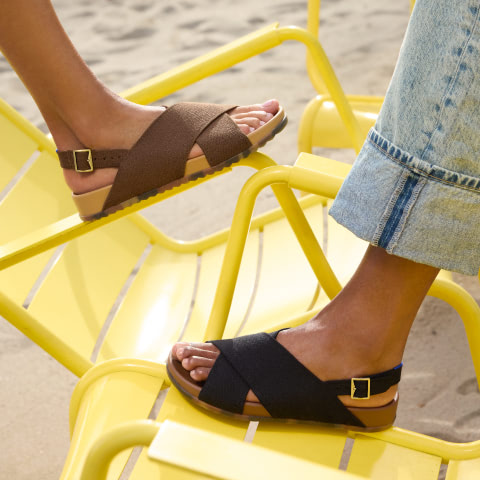
 Womens New Arrivals
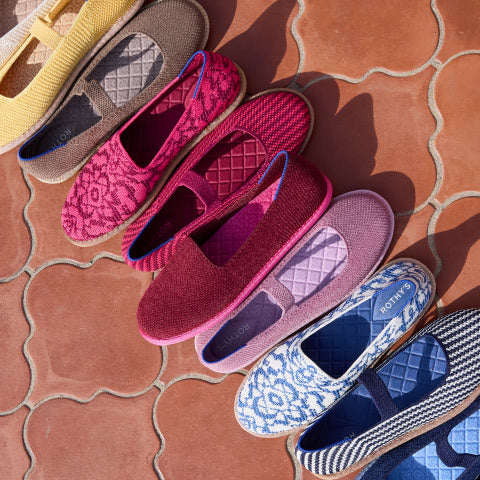 Cruiser
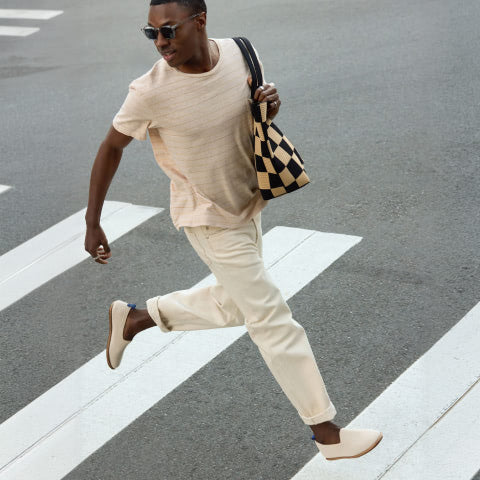 Mens Shoes
 Womens Bags
 Kids Shoes
Fit Guide
Finding the right pair begins with understanding how each style is designed to fit differently. Every silhouette is created with comfort in mind, but variations in structure, shape, and material can slightly change how a shoe feels once worn. Because of this, selecting your usual size may work for some designs, while others may require sizing up or down for the best experience.
Many of the most minimal everyday flats and loafers are designed to follow your natural foot shape closely. These styles often provide a true-to-size feel, especially when constructed with flexible knit materials and cushioned insoles that adapt over time. However, pointed-toe designs or shoes with narrower front profiles can feel tighter, and in those cases, a slightly larger size is often recommended to ensure enough room in the toe area.
Slip-on styles, including mules and backless shoes, tend to offer a more relaxed fit. Some of these are intentionally made with a slightly roomier structure so they can be worn comfortably without laces or straps. If you prefer wearing socks or want a more secure feel, going half a size smaller or choosing a snugger fit may help improve stability.
Sneakers and more structured footwear generally follow standard sizing, but performance details such as padded collars, stretch uppers, or reinforced soles can influence fit perception. Some sneakers are designed with extra space to accommodate movement and daily wear, while others are built for a closer, more supportive feel. In cases where the design runs slightly large, sizing down can help achieve a more locked-in fit, especially for narrower feet.
Boots and seasonal footwear often vary depending on lining thickness and material flexibility. Styles with wool or insulated interiors may feel tighter at first but gradually adapt after wear. On the other hand, boots made with stretchable fabric or wider shafts can feel more forgiving from the start, making them suitable for a range of foot shapes.
Sandals typically offer the most flexible sizing experience. Adjustable straps, open designs, and lightweight construction allow for natural movement and comfort across different foot widths. Many sandals fit true to size, but those with elastic or contoured straps may provide a more customized feel that adapts to the wearer over time.
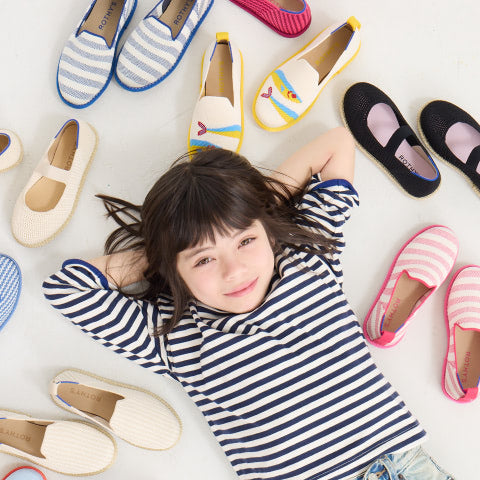
Children’s and men’s collections follow similar principles, with sizing adjustments based on activity level, foot width, and intended use. Some styles are intentionally designed to run slightly small or large to accommodate growth, layering, or seasonal wear such as socks.
Ultimately, the best fit depends on balancing personal preference with design intent. Some people prefer a closer, more structured fit, while others prioritize a relaxed, roomy feel. Understanding how each category is built helps ensure better comfort and long-term wearability, making it easier to choose the right size with confidence.